









 Yakuza Kiwami 3 is an extreme remake of the action-adventure beat 'em up Yakuza 3 featuring ex-yakuza Kazuma Kiryu's fight to protect those he loves.
Yakuza Kiwami 3 & Dark Ties puts players back in the shoes of retired yakuza member, Kazuma Kiryu. He has left the mafia to run the Morning Glory Orphanage, but unfortunately, the land the orphanage is on has become the target of shady land developers who want to demolish the orphanage to make way for seaside resorts. Kiryu's former protege in the Tojo Clan, Daigo Dojima, has been shot — and the clues point to Kiryu. Once again, Kiryu must dive into the yakuza life to prove his innocence and save the orphanage.
This plot was never one of my favorites in the series, but it was largely a fun, absurd, and fanciful crime-filled return to Kazuma Kiryu's shoes. It has some absurd plot twists and character beats, but at the same time, seeing Kiryu hang out with the children at the orphanage is some of the most effective storytelling in the franchise. I enjoyed the main story more than the first time I played the game. Knowing where Kiryu's plot goes, it's a lot easier to appreciate the events and how they impact the future of the series.







However, I'm not fond of any of the changes made to the story. The recent Yakuza games have gone all-in on making small changes to the franchise's characters and history, from softening previously evil fan favorite characters to adding implausible survival from certain death. Kiwami 3 goes harder on that by changing events that happened in somewhat significant ways and adding unnecessary call-forwards to future games. The result is something that feels awkward and fits poorly, as it takes what was a self-contained crime story and muddles it. I don't mind some plot adjustments, but these changes feel half-baked and thoughtless.
The Kiwami 3 gameplay generally follows the same basic trend as the other non-RPG games in the franchise. You play as Kazuma Kiryu, who's thrown into a dense area of Japan and forced to fight, minigame and adventure his way through a veritable swarm of implausible daring punks and hilariously over-the-top criminals. You'll play arcade games, help wacky characters with quests, eat all kinds of delicious food, and ... well, basically everything that is commonplace for the franchise.
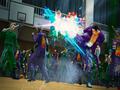
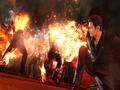
The new combat system in Kiwami 3 is fast, furious and genuinely a lot of fun to play. It has more in common with Like a Dragon: Pirate Yakuza in Hawaii than the previous version of the game. Mercifully, enemies are no longer constantly blocking, so you can buzzsaw through foes a lot more effectively in true fighting game style. Kiryu has two styles: The Dragon of Dojima (a mix of brutal punches, powerful grapples, and painful-looking heat actions) and a new style.
The new style, Ryu-Kyu, is the real star of the show. This style has Kiryu pulling out a ninja turtle's worth of weaponry — including nunchucks, sais and spears — mixing them together in a brutal mishmash of combos and attacks. Ryu-Kyu tended to excel during big group fights while Dragon of Dojima was more of a one-on-one fighting style. Either can be used freely, and there was no downside to sticking to a favorite.

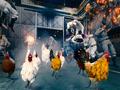



Kiwami 3 adds two new minigames to the mix. One is Kiryu taking care of the kids at the orphanage. This is largely a recycled take on the cooking minigames from Pirate Yakuza, but the change in aesthetic and concept goes a long way. It's charming to have Kiryu take care of and cook for the kids at the orphanage, and it makes his presence feel more natural and important. Even better, Kiwami changes the pacing of Kiryu's time with the kids, so it is less forced and more of a natural thing you can interact with. It does a great job of making you want to hang around the orphanage instead of going out to punch mobsters in the face.
Unfortunately, the other new minigame is wasted potential. Bad Boy Dragon puts Kiryu in charge of a biker gang that he has to take from zero to hero by recruiting potential bikers from the street, assigning them to gangs, and going with them to big street brawls. On paper, this sounds fantastic. In practice, it feels like the most half-baked version of the "create your own squad" mechanic that has appeared in the last few games.
The core problem is that it's basically a simplified version of the pirate crew mechanics in Pirate Yakuza, and those were already pretty simple. The biker aesthetic doesn't feel important, and it ends up being an excuse to do a bunch of copy-paste fights in copy-paste locations for very little benefit or fun. I really like the crew-making mechanics, but it feels like they're running low on ideas. It committed the gravest sin for a Yakuza minigame: It was boring and forgettable.
For all of its new content, Kiwami 3 is also missing a fair amount of content from the original game. There are side stories that don't seem to be in the new version at all, and some side mechanics have also gone missing. The charming Revelation mechanic is now entirely absent from the game. This hurts the idea of Kiwami 3 being an "ideal" version of the game, since some memorable and cool parts of the game are entirely MIA. It doesn't help that some of the new content feels like an attempt to recycle content from other newer games, and that can sometimes feel out of place. For example, the Segway, which made sense for the 2024 Hawaii atmosphere vibes of Infinite Wealth, feels entirely out of place in a 2009 world.
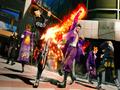





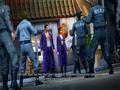
The newly packed-in bonus game, Dark Ties, follows antagonist Yoshitaka Mine and shows his rise to power. It starts with him being all but removed from the company he owns, and after a chance encounter with Daigo Dojima during an assassination, he decides the most important thing is to end up in a situation where he is respected by and respects those around him, no matter the cost. Of course, this ends up with him plotting to join the Yakuza in a bizarrely circuitous plan that involves a loathsome but easily manipulated bruiser named Tsuyoshi Kanda and the now-fallen Nishikiyama family.
I had a difficult time getting invested in the story, but a big part of that is I never found Mine to be an engaging villain. He lacks the charisma of someone like Majima, so I went into the adventure with a slight bias. Mine shines more once he is the star of the show and forced to interact with people, particularly during the segments where he's trying to improve Kanda's reputation by pretending to be him. At the same time, he's a character made to be a villain, and it feels like fitting a square peg into a round hole. Someone more invested in the character may feel differently.
Dark Ties is very similar to the main game. Mine has his own combat style based on boxing, so he can dodge, weave, and kick enemies to land brutal and devastating blows. He also earns critical hits by attacking immediately after dodging or hitting enemies from behind. Doing this well charges up his Dark Awakening meter, which can be activated to turn his attacks from composed boxing to brutal beatdowns, grapples, and dragging a guy's face across the ground in one of the most painful-looking moves in the franchise's history.







Mine's combat is fun, if basic. Because his game is relatively short (around five hours), there's not a lot of room for him to grow, and his skill tree maxes out relatively quickly. He's fun to play, but he's very one-note, and by the time I reached the end of his story, I felt like there was nowhere else to take him. I wouldn't mind playing his fighting style again, but it's something that would need a lot more fleshing out to work for longer than five hours.
Like Kiryu, Mine also has a series of side-quests to complete, such as running goofy errands to improve Kanda's name. I enjoyed doing the quests, but it felt like a lot of padding over a significantly shorter adventure. Don't think of it as an entire second campaign; it's more of a fun bonus after you've completed the main story quest.
Kiwami 3 is also one of the less visually impressive games in the series. The recycled graphics are starting to show their age, and there are many areas that look incomplete, with some poor texture work or awkward lighting choices. A mid-review patch fixed some of these issues, but this is one of the first titles where I was unimpressed. The voice acting is still excellent in the Japanese version, but the English dub felt weaker than usual. The direction felt a touch off, and I even noticed an obviously flubbed line. The game ran smoothly and played well, but it still needs some more polish.
Unfortunately, Yakuza Kiwami 3 & Dark Ties is the weakest Yakuza title in quite some time. The original game had its flaws, and Kiwami addresses some of those flaws, but the new content is of a mixed quality. There's some notably missing content, and some of the storyline changes are inexplicable. The improved combat and emphasis on Kiryu's time with the orphans are by far the best part of the experience. Mine's story is fun enough but not something that's worth it unless you already like the character. At its heart, Kiwami 3 is still a Yakuza game and still mostly a good time, but despite the improvements, it's more of a sideways step than an upgrade of the original.
Score: 7.5/10

More articles about Yakuza Kiwami 3 & Dark Ties