




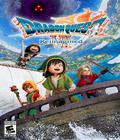
 A remake of 2000’s Dragon Quest VII: Fragments of the Forgotten Past, Dragon Quest VII Reimagined is a single-player RPG adventure to save the world, now reimagined with a hand-crafted aesthetic that makes the game feel like a living storybook.
Dragon Quest VII is one of my favorite games in the franchise, but it's always had a bit of a reputation. It's an incredibly long game, easily potentially going over 70 hours even before tackling side-quests. Beyond that, it's also a slow game to start, with some people arguing the game doesn't really begin until they're almost 20 hours in. I'm not sure I'd go that far, but it's fair to say Dragon Quest VII demands a time investment to get to the meat of the experience. That's why Dragon Quest VII: Reimagined might be just what the healslime called for. While the game has already been remade once for the 3DS, Reimagined is a full-on remake that aims to capture what the game does well while cutting down some of its bloat.
Dragon Quest VII opens on the small island of Estard, seemingly the only land in the entire wide world of water. The protagonist, along with his best friends Keifer and Maribel, long to find something more interesting in the world than their small homeland and its surrounding waters. One day, by chance, they run across a fragment of what appeared to be a shattered map. Reconstructing the fragment draws them into another world that's haunted by a great evil. When they solve the problem, a new island appears in their home world — seemingly the same land they just saved. Together, the heroes set out to solve the ailments plaguing the new worlds that have appeared in the land of eternal ocean.
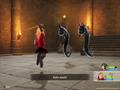
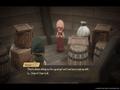
Perhaps the best way to describe the changes to Dragon Quest VII: Reimagined's plot is "streamlined." The early parts of DQ7 were rather infamously long, requiring a lot of backtracking and slow buildup before you fought your first slime. Reimagined trims down a lot of the bloat in a number of places. Early on, there's a segment in the original game where you defeated a boss and then had to find a specific item from an earlier character to stop a disaster. In Reimagined, the earlier character gives you the item during the initial meeting, and you use it instantly when the event occurs. It doesn't change the plot, but it removes a back-and-forth segment that only padded out the run time by 15-20 minutes. Some longer content has been cut or made optional to improve pacing, so some segments of the game fly by quicker.
I'm slightly torn on the changes, but for the most part, they work in the game's favor. I absolutely understand why the changes were made, and in a vacuum, they're probably for the best. I love DQ7, but the opening segment can go on for an awfully long time. I don't think there's anything gained by forcing the player to wander around and collect useless items only to discover they don't work. On the other hand, it makes some of the game's scenes feel oddly truncated or out of place because instead of cutting the excess baggage, they've rushed through it. I'd rather the development team did some rewriting of the plot to make these events feel natural instead of keeping the events and rushing through them.
The other big changes seem to be due to pacing or, in the case of certain gambling-themed minigames, changes in how ratings are approached. The game wants players to have a full party and start using the job system sooner rather than later. For newcomers to the game, this makes the "tutorial" feel like a shorter experience. I can imagine fans finding it frustrating when areas that they enjoyed are removed or shortened.
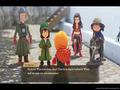
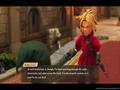
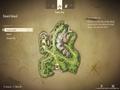
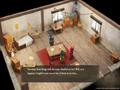
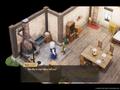
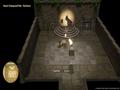
Mechanically, DQ7 is a Dragon Quest title through and through. Most of the familiar mechanics, items and concepts are present in their original JRPG glory. The game structure is one of the more engaging ones in the franchise. Collecting fragments to open up new areas to explore gives the game an open and nonlinear feeling, even if your actual options are actually rather limited. There's a lot to do in the game, and even in the somewhat shortened version that is Reimagined, there's still an unfathomably large amount of RPG content.
Dungeons are relatively simple, but thankfully, they're varied with the occasional puzzle or side objective to keep things engaging. I found them to be a lot of fun to explore. They're well paced, and you're never in any one area for too long. The raw variety of locations and events in DQ7 help it stand out from the crowd, and even with the changes, it's still one of the most enjoyable worlds to explore in the franchise.
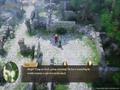
A nice part of this is the change to using Symbol encounters, similar to the original 3DS remake. Instead of random encounters, you will see enemies on the map, and you can choose to engage them or evade them. You're also able to launch preemptive attacks by slashing at the enemy before they can touch you. On regular foes, this will deal some extra damage before the fight starts, but on weaker foes, it will instantly end the fight, granting you rewards without the need for actual battle. This is a great change because it speeds up areas where backtracking is required and prevents random fights from feeling tedious. It's absolutely something I wish Dragon Quest 2D-HD had managed to include because it makes some later dungeons a lot more fun when you can skip trivial encounters.
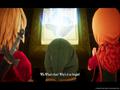
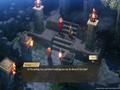
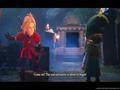
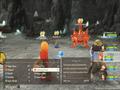
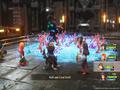
The combat system in Reimagined is largely a familiar one, sticking to the series' time-honored JRPG staples. The biggest core mechanic in this game is the Vocations system. Players are able to select from a variety of classic Dragon Quest jobs and equip their party with them. Players can create powerful monks, potent heroes, or even a new Monster Wrangler class that can summon creatures to aid in battle.
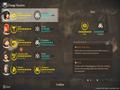
New to Reimagined are character-specific vocations and the "Moonlighting" option. Character-specific vocations are jobs that each character has when they first join your party. The vocations represent their specific skills. For example, Maribel can cast magic spells, while the protagonist has a variety of incredibly useful utility spells like Zoom and Heal. The biggest point to these jobs is to make the early game characters feel more distinct, and I'm glad for this change. It makes the period before you unlock jobs fly by a little more quickly. The other change, Moonlighting, lets you equip two jobs at once, so you can create custom lineups. Do you want a potent mage who can also heal or a warrior with the strong abilities of a monk?
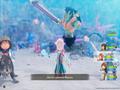
Another major change is the addition of vocational perks, which are the game's version of limit breaks. After dealing and taking enough damage, characters will get "pepped up" and unlock the ability to Let Loose. If you choose to Let Loose, you'll activate a job-specific perk that temporarily boosts your characters in some fashion. For example, the protagonist's starting job gives your entire party a one-time damage nullification, while Ruff's Wild Boy job lets him act twice in one turn and perform random actions. These skills can absolutely change the tide of battle and add some much-needed variety to skirmishes.
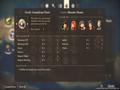
Also new to Reimagined is the ability to customize your difficulty, and it's by far the best attempt at customizable Dragon Quest difficulty. The game has three default difficulty modes: easy, medium, and hard. These modes actually set a series of different sliders, such as damage dealt, monster strength, experience and job points gained, and whether HP restores after battle. You can adjust each of these options individually. I consider this to be a huge boon that makes the game more fun to play. Increasing monster strength makes the game more fun, but it's nice that you can do so without forcing yourself to gain less experience and job points. You can even set it to whether enemies will attack you, so you can turn off random encounters if you're not in the mood, or you can boost the job point gain if you want to level up a new job quickly.
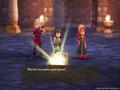
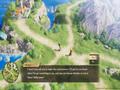
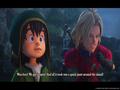
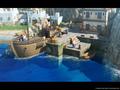
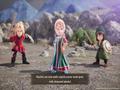
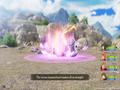
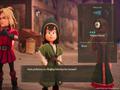
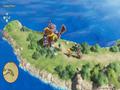
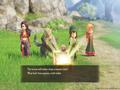
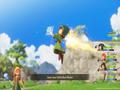
Of course, you can't really discuss Reimagined without discussing its new art style. The entire game has been redesigned to resemble a diorama inhabited by puppets, with the characters and environments actually being scanned-in, real-world models. I didn't like how this looked in screenshots, but in motion, the art style works incredibly well. It gives everything a pleasant fairy tale feeling, and it creates a distinctive feel that fits the atmosphere. It runs smoothly, and being able to see your characters act in combat gives them a lot of personality. The voice acting is quite good, so it sticks to the exaggerated accents that the franchise is known for in a way that is both charming and delightful. The only thing that's a tad weak is the soundtrack, which is pretty much the same Dragon Quest music with very little in the way of new flavor. This aspect feels oddly stagnant for a game that's otherwise so focused on being reimagined.
Overall, Dragon Quest VII: Reimagined is a fantastic remake that hits all the right marks. I don't necessarily agree with all of the changes made, but they work with what the game is going for. It's an engaging, fun, and well-made Dragon Quest game that is among the best of the franchise. There's no better way to play than Reimagined, especially if you are interested in Dragon Quest VII but felt intimidated by the time commitment. Even longtime fans of the series will find new surprises and new experiences to enjoy.
Score: 9.0/10
More articles about Dragon Quest VII Reimagined