

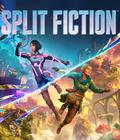

It Takes Two was a surprising and endlessly exciting co-op game that came out of left field. Following two divorcing parents through a "Honey I Shrunk The Kids" adventure, it had the right mix of creativity and oddity to define itself as a must-play for anyone who enjoys co-op titles. Hazelight's second game, Split Fiction, had pretty big shoes to fill. Thankfully, It Takes Two wasn't just a one-hit wonder. Split Fiction is one of the most exciting co-op experiences out there, and it's a fantastic early title for the Switch 2.
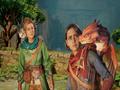
Split Fiction follows two authors, Zoe and Mio. They're invited by a company called Rader Publishing to test an experimental device that can turn their stories into reality. Unfortunately, an accident traps Zoe and Mio within the melded world of their own stories, a mishmash of fantasy and science fiction. Doubly unfortunately, they discover that Rader's end goal was to strip-mine the authors' ideas and use them for their own. Now the two have to find a way to escape from their illusionary world and return to reality before everything that made them writers is drained and commodified by the machine.
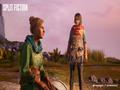
The big thing that will make or break Split Fiction is the characters. I struggled to get into the story because Zoe and Mio aren't super engaging. They feel kind of basic; they're two characters who are designed to be polar opposites first and people second. This gets better as time goes on, but it takes a tad too long to get there and spends too much time on hackneyed, back-and-forth that doesn't provide a ton of personality. It gets better once the characters are more willing to talk to each other instead of snipe at each other, but that takes longer than I would've liked.
Probably the most engaging part of the story is how timely it is. The idea of creators having their ideas stolen and mindlessly regurgitated by machines feels very much like the modern world, and I liked the story themes and how they resonated. The core concept, that ideas are meaningless without the person behind them and the history and ideas that developed those ideas are more important than if they're clichéd, is very heartfelt, especially considering my complaints about the story being generic. Even the flaws and foibles of Split Fiction feel more meaningful coming from a genuine place instead of a mindless computer.
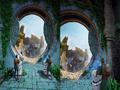
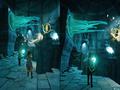
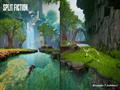
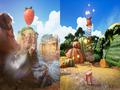
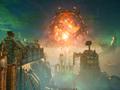
As far as the gameplay goes, Split Fiction is fairly complex. Zoe and Mio venture through a constantly changing world built from their own ideas. These are roughly divided into sci-fi and fantasy, but even in the first levels of the game, sci-fi can be anything from cyberpunk to Dune, and fantasy can be anything from The Lord of the Rings to a truly disturbing world of farm animals discovering how the sausage is made. There are several main worlds that have smaller sub-worlds based on discarded ideas, so you'll constantly get little side-trips outside of the main adventure.
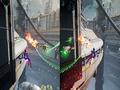
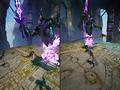
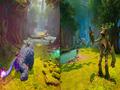
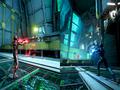
Each world has its own gimmicks which are distinct to that character. For example, in the Cyberpunk world, Mio has a katana that lets her manipulate gravity, while Zoe has a whip that can pick up objects and interact from a distance. In the farm world, Zoe can stretch her pig-body like a slinky while Zoe ... well, let's just say flying pigs and farts are involved. The game is careful to make sure the characters have their own skill sets, so cooperation is fun and an absolute necessity.
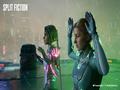
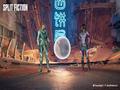
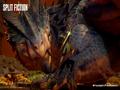
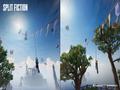
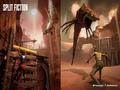
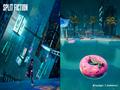
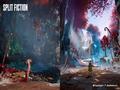
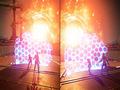
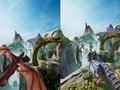
This helps keep the game feeling endlessly inventive and fresh because you're constantly swapping between skill sets to solve the game's puzzles, and the co-op mechanics mean that they can keep throwing new things at you. One area might involve slower puzzle-solving and transforming into different magical creatures, while the next might be a more intense sci-fi shooter with color-coded abilities. Split Fiction is extremely good about not sticking to one mechanic for very long, and I was startled by how it kept showcasing cool new ideas until the very end.
As a result, I think Split Fiction is more fun to play than It Takes Two. No mechanics are allowed to stick around long enough to outlive their welcome, and going to a new area is consistently exciting to see what weird gimmicks are added to the game. It is constantly and consistently inventive, and I'm hard-pressed to think of a multiplayer game that is this much fun. It isn't hard to play, since each mechanic needs to be simple enough to pick up quickly, but it has just enough depth to remain fun from start to finish.
If there's one thing that might make Split Fiction not work, it is that it is multiplayer only. It's a game that thrives on two people playing it together, so the set pieces can really shine. Early on, one of the characters is driving a cyberpunk motorcycle in a deadly chase, while the other tries to unlock a phone using increasingly absurd and ridiculous security measures. It's an absolutely hilarious and delightful set piece when two people are working together, and the comedy beats excel when you have someone along for the ride. It's worth keeping in mind if you were looking for a single-player experience.
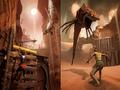
The other potential problem is that the multiplayer is, while certainly not punishing, tougher than in It Takes Two. This is not an issue if both players are comfortable with games, but I can see it being a struggle if you're looking for a simple game to play with a non-gamer spouse or friend. The game has frequent checkpoints, and there's no real way to get a "game over," so it's not a huge roadblock, but it's also worth keeping in mind for those who are looking for a title to play with friends.
The Switch multiplayer is largely fine. If you have a second Switch 2 to play on, you can share the game with the other player, and both can play on their own Switch 2. (That other player needs to download the game and is limited to playing with their friend who owns the game.) You can also do couch co-op, but you need extra controllers for this, as the game just has too busy of a controller layout for the built-in Joycons.
Assuming you're all good, Split Fiction largely runs well on the Switch 2. There are some noticeable frame rate drops compared to the bigger controls, but that only happens in a few specific areas, and it doesn't detract from the whole experience. The simple graphics work in its favor, and the strong art design means you're consistently looking at new, exciting, and occasionally very disturbing things. The voice acting is quite good and elevates otherwise dull protagonists, and the music is solid.
Split Fiction is an incredibly charming co-op adventure full of endlessly creative levels and concepts. The core plot is let down a bit by some slow pacing and an overreliance on a clichéd set of characters, but it gets better as things progress and you learn more about them. The plot takes second place to the co-op, and it's hard to think of a game that is more engaging, exciting and fun to play with a friend than Split Fiction. Switch 2 players might need to invest a little extra to get the ideal experience, but it's worthwhile if you do.
Score: 8.5/10
More articles about Split Fiction