

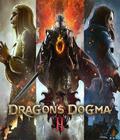






Dragon's Dogma 2 was one of my favorite games of 2024, but it was also built around friction. Its awkward, janky, and occasionally user-unfriendly mechanics helped establish its tone and atmosphere. Unfortunately, poor performance, particularly on the PC, and some truly ill-considered microtransactions turned that friction into frustration for many players. Following the same approach as the original game's Dark Arisen edition, Dragon's Dogma 2: Dark Arisen builds on its predecessor with meaningful improvements and marks the game's first appearance on the Nintendo Switch 2. The result is a darn fine port that significantly improves on the original, provided you don't mind some of its rough edges being smoothed out.
If you've never played Dragon's Dogma, the series is part Skyrim, part Monster Hunter, and part Devil May Cry. You play as the Arisen, thrust into a dangerous, dragon-ravaged world after the titular beast literally rips your heart from your chest. Your quest to hunt and slay the dragon takes you across the land, battling monsters and gathering clues about where the foul beast resides.
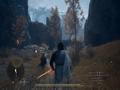
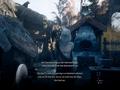
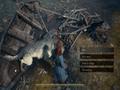
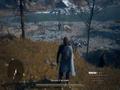
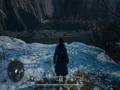
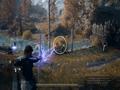
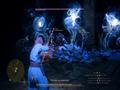
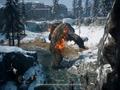
Combat is where Dragon's Dogma 2 shines. You can choose from a variety of vocations, including sword-swinging warriors, powerful mages, and the frankly useless but entertaining Trickster that relies on illusions and gimmicks. There's enough variety for almost anyone to find a favorite, and the weighty combat makes every encounter feel physical and dynamic. You don't simply mash attack buttons; physical fighters can grab smaller foes or cling to larger ones, magic can manipulate the environment, and enemies can topple trees or stumble down cliffs.
Just as important is the Pawn system. Rather than conventional multiplayer, Dragon's Dogma revolves around AI companions called Pawns. You create one as your primary ally and can hire additional Pawns created by other players. These hired companions bring knowledge of their creators' worlds, offering hints about enemy weaknesses and guiding you toward secrets, alongside whatever equipment and abilities their creators have given them. It's an unusual system that gives the game a distinct identity, one that would lose something if replaced with standard multiplayer.
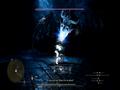
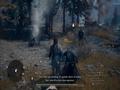
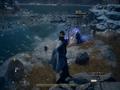
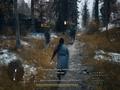
The biggest question surrounding Dragon's Dogma 2 on Switch 2 is how well it runs. Compared with the PS5 version at launch, it's a substantial improvement, but it remains behind the game's more recent versions on other platforms. That's consistent with Capcom's other recent Switch 2 ports rather than a particular failure of this release. Dragon's Dogma 2 struggled even on more powerful hardware, so getting it running this well on Switch 2 feels almost miraculous. It's a testament to Capcom's ongoing optimization work.
The game targets 30 fps in both docked and handheld modes, with options for a variable frame rate, a locked 30 fps, and frame generation. I generally preferred the variable frame rate, even if the results weren't always smooth. Frame generation did little for me, particularly in handheld mode, where it made the visuals inconsistent enough that I preferred to leave it deactivated.
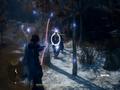
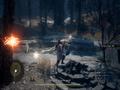
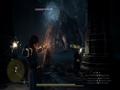
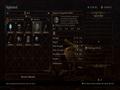
Dark Arisen isn't just an expansion. It also incorporates a substantial collection of changes introduced to Dragon's Dogma 2 in the months following its original release. Many are quality-of-life improvements that newcomers might barely notice, but returning players should pay attention to them. Some of the most significant changes affect the game's mechanics. You can now equip more skills per vocation, allowing for more complex and varied builds. This particularly benefits vocations like Trickster, which thrive on versatility, though every class gains something from the change. There's also a new Hard mode that makes enemies stronger and more aggressive, providing a welcome challenge for players who found the standard game too easy.
I'm more ambivalent about the changes that reduce friction. Most players will probably consider them improvements, and I can't say they're necessarily bad, but they do come at a cost. Fast travel is now easy, unlimited, and free, making it much simpler to traverse the map. However, it also removes some of the tension and atmosphere that made it exciting to venture off the beaten path. With less reason to engage with the mechanics designed to make travel dangerous, the world loses some of its character.
The Dragonplague mechanic, another of the game's distinctive threats, has likewise been toned down. Its potential consequences could be devastating, so the change is understandable, but it trades some of the game's personality for convenience. In a series that derives so much of its appeal from friction, that trade-off is particularly noticeable.
One of the biggest additions to the main game is the Lost Rite Dungeons. Unlocked roughly halfway through the story, these 12 dungeons offer combat challenges built around specific restrictions and gimmicks. Some require a particular vocation, prohibit certain abilities, or limit you to a single Pawn. Completing them rewards substantial loot and helps prepare you for Norgan, the new region. I'd recommend tackling these dungeons as they become available, rather than returning with a fully equipped character later. They're clearly designed to prepare you for Norgan, and the challenges work best when you're still progressing through the main story.

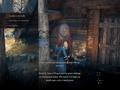
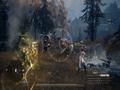
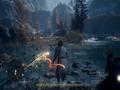
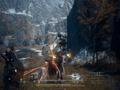
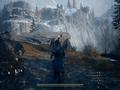
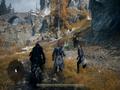
As dungeons, they're less impressive than I'd hoped. As opportunities to experiment with the combat system, however, they're surprisingly successful. Each challenge gives you a particular set of tools and asks you to figure out how to use them, whether that means defeating slimes without fire skills or adapting to an unfamiliar vocation. Your enjoyment will depend on how much you like experimenting. If you've settled into a comfortable play style and don't want to leave it, these challenges probably won't appeal to you. For everyone else, they're a fun test of the game's combat mechanics.
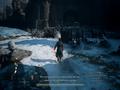
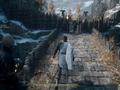
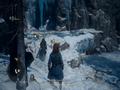
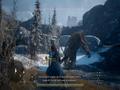
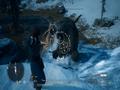
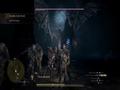
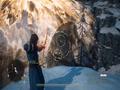
Norgan is the star of the expansion. This snowy region feels like a natural fit for Dragon's Dogma, and its environment is far more than window dressing. Ice cracks beneath the force of attacks, falling icicles can injure friend and foe alike, and enormous snowballs can flatten enemies. It's easily the most polished area in the game, showcasing how much the developers have learned since the original release.
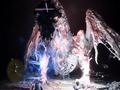
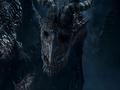
Enemy variety is Norgan's biggest concern, though the problem isn't as severe as it might sound. Many enemies are reskinned versions of creatures from the main game, but the changes go beyond appearances. New behaviors and attacks make familiar foes feel different enough that I didn't mind recognizing an icy version of a standard monster. There are also plenty of distinct encounters, including a truly phenomenal final boss fight.
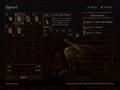
Norgan's unique artifact system gives exploration another compelling incentive. You'll discover unappraised weapons, equipment, and other items that initially seem worthless. Return to town and spend Rift Crystals to appraise them, however, and you can unlock powerful gear capable of transforming your character and build. There's a gacha-like element to the system, with randomized rewards preventing you from simply rushing toward a known best-in-slot item. Fortunately, the game tends to favor your chosen vocation and your Pawn's, making it less likely that you'll end up with useless equipment.
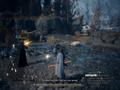

The artifact system is genuinely fun. Its powerful rewards and randomized nature encourage you to investigate every nook and cranny, even when you're already well equipped. The downside is that these artifacts overshadow nearly everything else. Once I had access to Norgan and its equipment, the rest of the world felt considerably less rewarding. Norgan is very much the endgame.
The region's pacing is more deliberate, too. The original game often meandered, sending you toward a destination only to leave you wandering in search of clues or your next objective. Norgan remains open to exploration but offers a clearer sense of direction. It feels like a thoughtful response to criticism of the original game, so there's more guidance without sacrificing the freedom to explore.
As with many of Dark Arisen's changes, this approach smooths out some of the game's friction, and it works particularly well. Even unlimited fast travel feels more natural when you're setting out from a central base camp rather than hopping around the main game's sprawling map. The result is a more focused experience that retains the series' distinctive character.
Dragon's Dogma 2: Dark Arisen is a fantastic Switch 2 port of an excellent game. The combat remains excellent, the post-launch improvements are largely welcome, and Norgan is a delight to explore. It doesn't fix every problem with the original, and some quality-of-life changes come at the expense of the friction that made the game distinctive. Still, the new content and technical improvements offer plenty to enjoy. Anyone who liked the original will find a lot to love in Dark Arisen, while this is a great starting point for Switch 2 players experiencing the game for the first time.
Score: 9.0/10
More articles about Dragon's Dogma II