










 Step into the world of D-topia, a gentle-paced puzzle adventure where life is curated by artificial intelligence to maximize happiness.
According to Steam, Marumittu Games has one game to its name: Captain StarONE. It looked cute, but it also fell under a genre with many different names: idler, clicker, or auto-battler. The genre can be fun, but it elicits little direct involvement from the player, but the developer's entry was well received by most players. Marumittu Games' next title, D-topia, is a much more traditional game, and we got a chance to check out the latest demo before its public release.
D-topia takes place in the future when AI is a trusted technology, and the goal is to create a perfect utopia for all mankind. That project is being carried out in several different test cities, and according to the data, D-topia is the closest city to reach the end goal. You are the latest resident of the city and have been given the role of facilitator. This means that your daily goal is to ensure that people are happy and every machine is in top working order to provide said happiness to the city's residents.







There are already some bits of the story in the demo that provide a hint that the city isn't as perfect as it seems. The system automatically gives you a job through some unknown criteria. You're given a number rather than a name, but that only applies to the various robots in the city, as your name isn't completely wiped away. You get a hint that the AI knows more about you than you think. A resident shares that they found their potential wife through the AI's DNA matching service. Nothing nefarious is shown in the demo, but there are enough breadcrumbs to know that something is amiss.
For the most part, the demo shows off two major mechanics within the first few minutes. There's an adventuring portion that feels like a typical modern JRPG. You'll be roaming around different locales in the city and talking with various characters and robots. There are a few questions you can answer, and you'll discover a few shops where you can buy items. The trailer shows some other things, like branching pathways for basic decisions and the ability to befriend a cat, which is ideal for a game that's labeled as a casual, low-stress adventure title.
The second major mechanic is the puzzles. The game structures the main set of puzzles as the work you have to do to keep society going. That work gives you cash, and you can earn extra cash for putting in some overtime and solving more puzzles. In the demo, the bulk of the puzzles are all Sokoban-based but with a few extra rules to make it feel a tad different. For starters, the blocks and marked spaces have numbers, so each tile has specific places to go instead of selecting things at random. There are lines you can pass to double the value of said blocks, and that can be important later on, when you place two blocks in spaces to match a linked value. There are also switches that you need to put a block on top of to give other blocks passage. Adding the math element is a nice touch, but the demo shows nothing that feels impossible to solve, even for those who aren't familiar with this puzzle type.




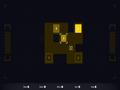

The rest of the demo shows off more Sokoban puzzles that can only be seen when you get a glimpse of the city's inner workings; this is something only you're privileged to do in your role as a facilitator. The game also has a different puzzle type where you need to link pathways to successfully reach smaller goals that lead into the bigger goal of your status level for the day. Like the adventure portion, the trailer shows off how deep the system goes, with some sequence puzzles and hints of more. It'll be interesting to see how difficult these get as you progress in the game.
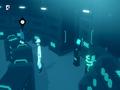
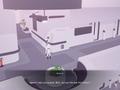
The presentation is pretty inviting. The game has a softer anime look that's reminiscent of any Pokémon games on the Switch. The colors are bright, leaning mostly toward white and other colors to convey a clean look, while the character models don't sport the black lines typical of cel shading but still look distinct. The audio is minimal in that sound effects don't play a prominent role, and voices are completely absent. While the music is also not a huge factor, the few songs create a pleasant atmosphere.
D-topia looks to be an interesting take on both the adventure and puzzle genres. The demo does a good job of showing off its casual nature; there are no major penalties for not solving puzzles in time, and the calm presentation reinforces this vibe. The trailer does a better job of showing off the potential depth of the systems, but the demo is good enough to whet one's appetite for the full game, which is scheduled to drop this July.













More articles about D-topia