


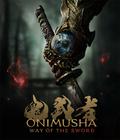
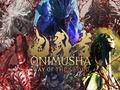
 The series' first new installment in nearly two decades, Onimusha: Way of the Sword returns to a dark fantasy feudal Japan where samurai clash with the supernatural in cutting-edge combat.
It's difficult to bring a franchise back from the dead. The game industry is littered with reboots that missed the mark, which makes Onimusha: Way of the Sword so impressive. It's been 20 years since the last new game in the franchise, and countless samurai-style games have arrived in the interim. Onimusha succeeds despite that competition. It's not just a worthy return for the franchise; it's an incredibly good game on its own merits.
Way of the Sword puts players in the sandals of the illustrious Miyamoto Musashi, often heralded as the greatest samurai. Our Musashi is a brutish slacker who challenges strangers to fights to prove his worth, only to quickly get in over his head. A chance encounter with demonic Genma monsters leaves him literally in pieces. In the afterlife, he's given a golden gauntlet that grants him a second chance at life, but in exchange, he must slay the Genma tormenting the land and use their souls to feed the gauntlet. Naturally, there's more going on beneath the surface, and Musashi soon becomes embroiled in a plot threatening the entire world.
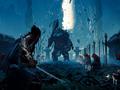
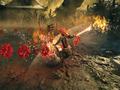
The plot is pure Saturday-morning cartoon, but that isn't a criticism. It's big, exaggerated and frequently hilarious, with Kamen Rider being the easiest comparison. One moment, things are deadly serious; the next, you're facing a demon with a pompadour who makes an excuse to avoid fighting because he has something in his eye. It's unabashedly R-rated and theatrical, and I had a great time with it. If you want something serious or grounded, this isn't that. For me, though, its innate goofiness is more charming than annoying.
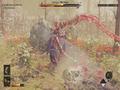
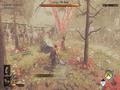
Onimusha starts slowly, but once the combat opens up, you understand why. Musashi initially has a simple set of skills: Dodge, Parry, Slash and Hard Slash. They're straightforward, but the game gradually reveals how much nuance lies beneath them. Dodging is better against unarmed attacks, while Parrying works best against weapon attacks. Environmental objects can also become weapons, letting you kick up wooden planks to shield yourself or slam a cart full of heavy objects into an enemy.
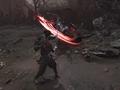
That complexity grows as you unlock new abilities. Parrying weapon attacks builds your Blazing meter, which eventually ignites your sword and lets you deal massive damage. Deflect lets you knock away attacks and heavily reduce an enemy's stamina, particularly while Blazing. Once their stamina breaks, you can unleash powerful Issen attacks that can tear through their health.
Unarmed attacks have their own mechanics. When an enemy tries to grab you, dodging at the right moment turns the attack back on them. Later, Reflex Counter rewards narrowly avoiding unarmed attacks by building a meter that, once full, lets you unleash a devastating combo.
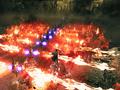
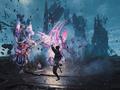
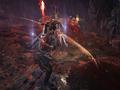
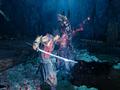
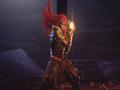
Then there are Oni Armaments, special powers that add even more options. Oni Strength delivers a brutal melee strike that breaks blocks and armor, while other abilities essentially replace the magic system from previous Onimusha games. Absorbing blue souls fills an Oni bar that can be spent on attacks with distinct purposes: forcing enemies to drop health, creating a massive windstorm that becomes a blazing tornado near fire, or shredding armor and stamina. Because Oni power is shared between abilities, choosing when and how to spend it matters.
The franchise's iconic Issen system returns as well, functioning as a high-risk, high-reward super-parry. Strike just before an enemy hits you, and you'll counter with enough force to instantly kill most weaker foes. Upgrades let you chain Issen attacks and use them against distant enemies, among other improvements. A skilled player can tear through groups this way, but mistiming an attack can be devastating.
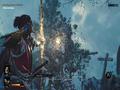
The game continues introducing mechanics, including unblockable attacks that must be deflected and sword clashes that punish mindless button-mashing. Combat is rarely about simply attacking. A bow lets you snipe distant enemies and hit weak points, while different enemy attacks demand different responses. There's always a "right" thing to do, and as you learn the game's visual language, you instinctively recognize what that is. Eventually, you start to feel like Musashi.
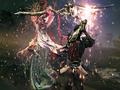
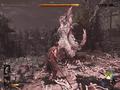
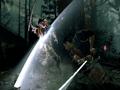
Onimusha makes the simple act of swordfighting feel fantastic, providing a welcome burst of freshness in an increasingly stale field of parry-focused action games. Each enemy action has a corresponding counter with its own reward, encouraging you to avoid attacks with style rather than simply blocking or retreating. Fights feel like choreographed sword duels while still giving you complete control. I genuinely adored the boss fights, and an easily accessible Boss Refight option makes it simple to revisit them.
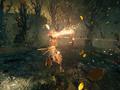
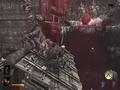
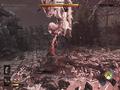
That depth can be overwhelming. Keeping all your options in mind and responding instantly requires both good reflexes and a level head. The game does offer some assistance, including an option that displays a button prompt for the appropriate response to an incoming attack. Essentially, it makes enemy body language easier to read, which should help players who struggle with the mechanics. A lower difficulty also provides more forgiving parry timing.
Despite its complexity, Onimusha feels remarkably fair. It's probably the hardest game in the franchise and may be among the most demanding games the developer has released recently, but it rarely feels unfair. I always understood what I was supposed to do, and while careless play gets punished, the game is more forgiving than Sekiro, at least on standard difficulty. It's a game with teeth, but it knows when to use them.
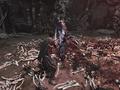
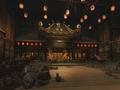
My biggest complaint is the open world. Functionally, Onimusha is divided into largely linear quests surrounding a Kyoto hub. The hub, initially shrouded in dangerous miasma, gradually opens as you gain Metroidvania-style abilities and destroy poison flowers. New areas provide access to shops, side quests, adorable collectible Lion Dogs and hidden treasures that can upgrade Musashi.
The problem is that the hub itself isn't very interesting. Some side quests are amusing, but the world often feels like busywork: go somewhere, fight some monsters, maybe battle a boss you've already fought several times, collect some trinkets and power up. The open world isn't bad; it simply highlights how much better the game is when it's tightly structured and linear. I'd almost prefer a shorter, level-based game. There's a strong 15–20 hours of content here that gets stretched by roughly another 10 hours of filler. Even then, the combat remains exciting enough that fighting the same miniboss for the third or fourth time rarely feels terrible.
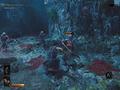
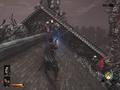
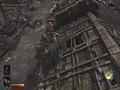
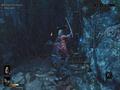
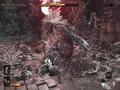
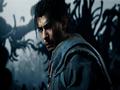
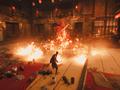
Visually, Onimusha sets an incredibly high bar. Character animations are fluid and beautiful, and even watching swords clash is jaw-dropping. Musashi's facial work deserves particular praise. He's modeled after Toshiro Mifune with permission from his family, and the developers have done an extraordinary job capturing the actor's expressions and style. It feels remarkably lifelike.
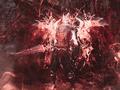
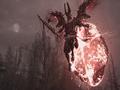
The monster designs are equally impressive, intentionally evoking the rubber-suited tokusatsu shows that inspired the series. They can look cheesy, but it's a deliberate and charming kind of cheesiness. The sound design helps sell the experience, too, with excellent music and Japanese voice acting. The English dub is fine, but some voices felt mismatched, and the game felt more natural in Japanese.
Onimusha: Way of the Sword rounds out Capcom's phenomenal year in style. It may be the best game the company has released in a year full of instant classics. This is a beautiful reinvention of the franchise and an exceptional game on its own merits, anchored by one of the best combat systems in years. A slow start and some unnecessary padding hold it back, but those are minor complaints. Way of the Sword is easily the best Onimusha game and a celebration of everything that makes the franchise work.
Score: 9.0/10
More articles about Onimusha: Way Of The Sword