


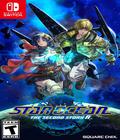
 Star Ocean The Second Story R returns as a 2.5D remake of the classic 1998 RPG.
I've always liked the Star Ocean franchise in concept more than in execution. Nearly every entry has major flaws and, especially in the more modern games, often struggles to fully realize its ideas. The one clear exception is Star Ocean: The Second Story, which stands as the series' high point and is arguably one of the most creative, enjoyable and impressive RPGs on the PlayStation 1. Thankfully, Star Ocean: The Second Story R faithfully captures the tone and feel of the original, and the Switch 2 port is a solid version of an already excellent remake.
The Second Story follows two protagonists: Claude and Rena. Claude is a member of an intergalactic federation (like Star Trek!), but a tragic accident warps him across space and time to Expel, a primitive fantasy world. There, he meets Rena, a magic user whose powers are connected to the mysterious Sorcerer Globe, an object that threatens the entire planet. Before long, the pair find themselves caught in a conflict that ultimately puts the entire universe at risk.
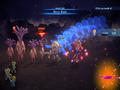
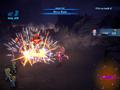
The Second Story is a PS1 RPG through and through. That means its story and characters, while still straightforward, have more depth and personality than was typical of the SNES era. The game also features a surprising number of intriguing ideas, including a cast of optional party members who may or may not join you, each with their own skits, side-quests, and storylines. While most of the adventure remains the same, Claude and Rena each have exclusive story branches, giving players a good reason to play through the game more than once.
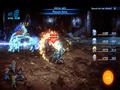
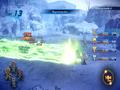
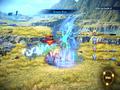
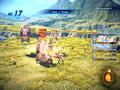
Star Ocean shares its lineage with Bandai Namco's Tales series, combining traditional RPG progression and magic with real-time combat. The Second Story R significantly overhauls the original game's battle system, making combos smoother to execute while ensuring that casting magic no longer brings the action to a halt. Those changes alone make combat feel far better than it did on the PS1, and they make the original version much harder to return to, even before considering the remake's many other improvements.
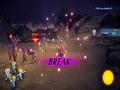
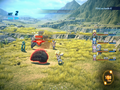
Combat also offers a wider range of offensive and defensive options. By repeatedly attacking an enemy's shield, you can eventually Break it, leaving that foe stunned and, in larger battles, potentially staggering nearby enemies as well. The system gives combat a feel reminiscent of Final Fantasy VII Remake, encouraging you to alternate between attacks that build toward a Break and attacks that capitalize on it for maximum damage.
Defensive options are much more varied as well. You can now manually dodge enemy attacks, and a perfectly timed evade lets you slip behind your opponent while weakening their shield at the same time. Mistime it, however, and you risk getting Broken yourself, leaving you vulnerable. The result is a far more engaging combat system that rewards paying attention instead of simply tanking hits and healing through the damage. In general, every battle feels much more active.
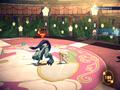
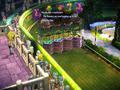
These additions do come with some tradeoffs, however. Enemies are far more dangerous, and you're expected to make full use of the new mechanics to succeed. While it's still possible to brute-force some encounters, getting overconfident and failing to avoid attacks can quickly lead to defeat. There's also a new bonus orb system that rewards skilled play by increasing both your battle rewards and the benefits of character formations, but mistiming a dodge causes you to lose those bonuses.
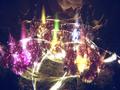
Also new is the Assault system, which lets you summon characters outside your active party to unleash a special attack or ability. It's a welcome addition, as you'll recruit far more characters than you can realistically field in battle, whereas previous versions largely left unused party members sitting on the sidelines. You can even unlock cameo Assaults from other Star Ocean games, adding a fun bit of fan service and extra flavor.
Overall, the new combat system is a massive improvement over the original, to the point that I'd have a hard time going back to the PS1 version even if I had the choice. The expanded move sets, deeper defensive options, and risk-and-reward design of the Break system make battles far more enjoyable on their own merits. I never disliked the original combat, but this remake shows how much room there was for improvement without sacrificing what made it distinct.
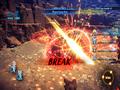
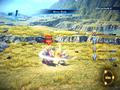
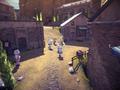
My only major complaint is that Star Ocean 2 never had particularly great party AI, and the new combat mechanics only make that weakness more apparent. Your AI-controlled teammates struggle to keep up with the remake's faster, more demanding battles, and there were times when they felt slightly more useful than buff bots and meat shields. It's not a game-breaking issue, but I wish the remake had found a way to make the characters more effective even if you're not directly controlling them.
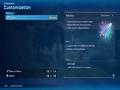
Of course, what makes The Second Story stand out is its strange and distinct skill system. Rather than relying on a traditional crafting system, the game features a wide variety of skills ranging from Blacksmithing to Writing that characters can learn and improve over time. Once developed, these skills can be used to enhance your abilities, unlock new options, and even combine into powerful Super Skills.
Sure, some of the abilities are straightforward. You can craft weapons and armor, or pickpocket nearly anyone in the game to gain access to powerful items much earlier than expected. That's all pretty standard RPG fare. However, Star Ocean 2 is one of the few games I can think of where you can forge fake checks (and risk having them bounce), write books to improve your skills, or spend hours experimenting with bizarre mechanics just to make your characters stronger. Even items can gain unique Factors, allowing for even deeper customization and further ways to power up your party.
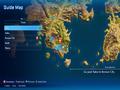
The user interface has also received a major overhaul. Previously easy-to-miss content, such as side-quests and character-specific stories (known as Private Actions), are now clearly marked on the map, making it much harder to accidentally overlook them. A new Challenge Log rewards you with special gear for completing optional objectives while also encouraging you to experiment with different mechanics and missions, but some of its rewards are admittedly a tad overpowered. You can even fast-travel to any location you've previously visited, which is an enormous quality-of-life improvement.
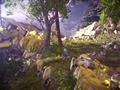
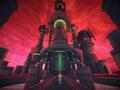
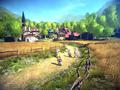
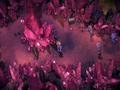
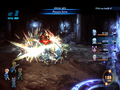
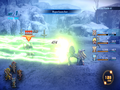
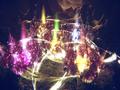
The Switch 2 port of Star Ocean: The Second Story R is functionally identical to the versions already available on other platforms. However, it does offer a notable improvement over the Switch 1 release, with better resolution and a much smoother frame rate that puts it closer to the PS5 version than the original port. It's not such a dramatic upgrade that existing Switch 1 owners need to rush out and buy it again, but if you're choosing between the two versions, the Switch 2 release is clearly the better option.
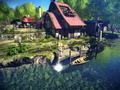
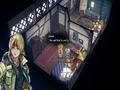
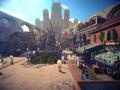
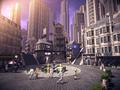
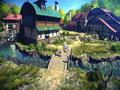
The visuals have also been completely reworked from the PS1 original, featuring a gorgeous HD-2D style makeover that helps the game's charming sprites stand out while bringing more life and color to its world. The soundtrack remains excellent as always, but the voice acting can be a touch uneven. It's not bad, but there are moments when it feels like the actors didn't quite understand the full context behind their lines.
Star Ocean: The Second Story R on Switch 2 is about as straightforward an upgraded port as you can get. It's the same excellent game, now running better than the Switch 1 version, but without any major additions that would make it an essential upgrade for existing owners. Regardless, it's an RPG absolutely worth playing if you're a fan of JRPGs and haven't experienced it yet, and it remains a gold standard example of how to remake a classic: preserving everything that made the original great while smoothing out its rough edges.
Score: 8.5/10

More articles about Star Ocean The Second Story R